What do the different Solex jets do?
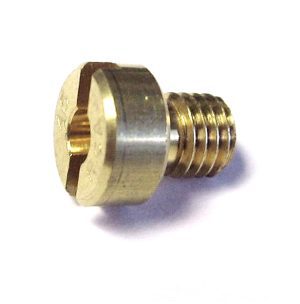
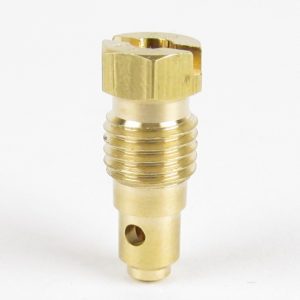
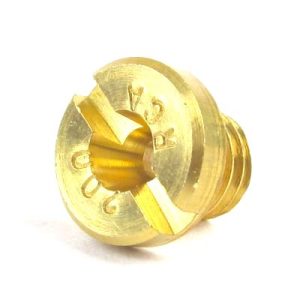
Main jets control fuel delivery from mid to high RPM, air correction jets adjust the mixture at higher RPM, and idle jets manage fuel at low engine speeds.
How do I change or replace Solex jets?
Jets are typically easy to access and replace with basic tools like a screwdriver and wrench.
How do I know which jet sizes to use?
Jet sizes are chosen based on engine size, carburetor model and performance needs. Larger numbers mean more fuel flow (richer mixture); for air correction jets, larger numbers mean more air (leaner mixture).
What causes flooding in a Solex carburetor?
If the carburetor is flooding, the needle valve may not be seating correctly. Inspect for debris, ensure the valve is tightened properly and replace if necessary.
The fuel pump might be the wrong specification.
The float might be damaged or faulty.
What is the function of the float and how does it relate to jets and the needle valve?
The float regulates fuel level in the bowl. If it's punctured or too heavy, fuel level rises, causing flooding at the jets. Correct float weight and geometry (if applicable) is essential to maintain correct fuel level.
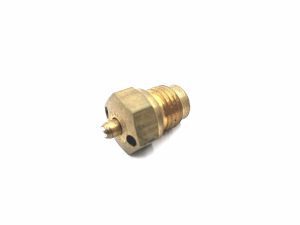
The needle valve is connected to the float. The rising and falling of the fuel level and therefore float, actuates directly on the needle valve which opens and closes the fuel flow into the fuel bowl.
How do I tune a Solex carburetor for better performance?
If the carburettor is working as designed and is in good condition, it is unlikely you can ‘tune it’ for better performance.
Performance upgrades are available but these generally include replacing the carburetor with a larger one or adding more carburettors, essentially allowing the engine to breath more air at higher RPMs.
Can I improve fuel efficiency by using smaller jets?
No. Using jets that are too small can cause hesitation and poor performance. It's better to use the correct size for your engine and distributor combination.
What should I do if my Solex carburetor is difficult to start or idles poorly?
Difficulty in starting is likely to be due to a lean mixture. Cold engines like a rich mixture to start which is why the cold start / choke mechanism is designed into the carburettor; check the choke function is working.
Also check that you have fuel in the tank!
Poor idling can be due to vacuum air leaks, rich mixture, flooding or lean mixture.
Where can I find replacement jets and needle valves for Solex carburetors?
Replacement parts can be sourced from specialist suppliers like us or other vintage/classic carburettor shops. Always ensure the parts match your specific Solex carburettor model and serial number. Feel free to contact us if you need help.