What types of jets and chokes are available for Dellorto carburettors?
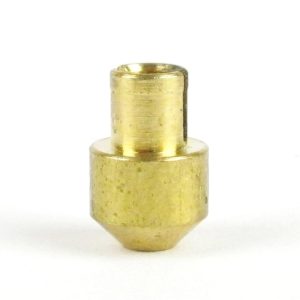
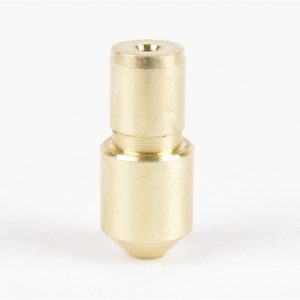
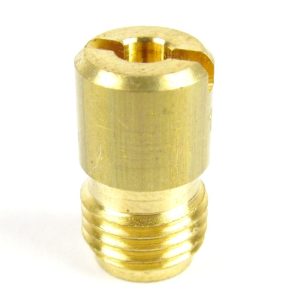
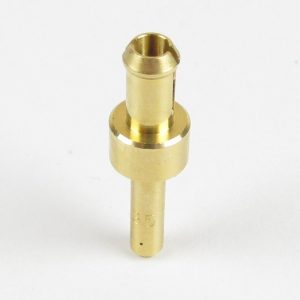
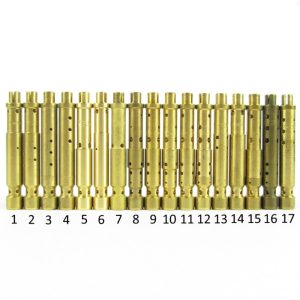
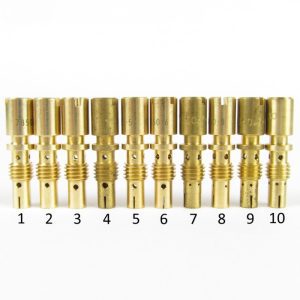
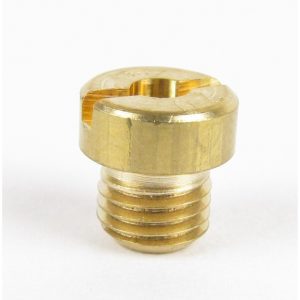
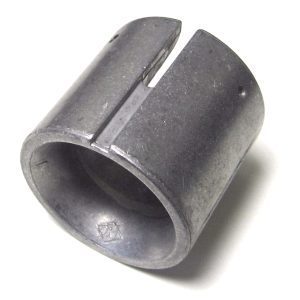
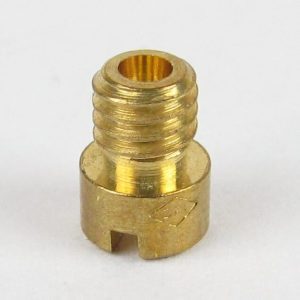
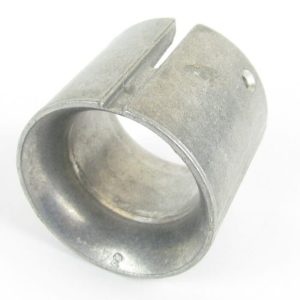
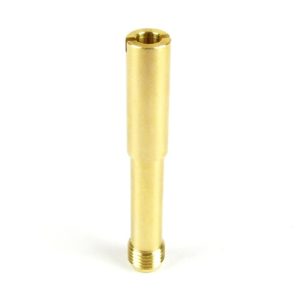
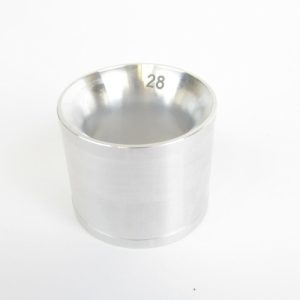
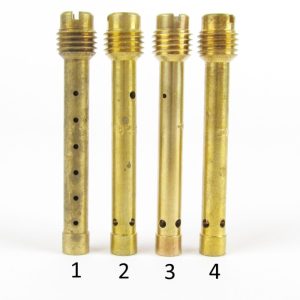
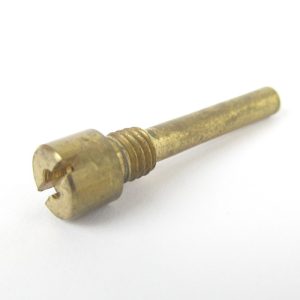
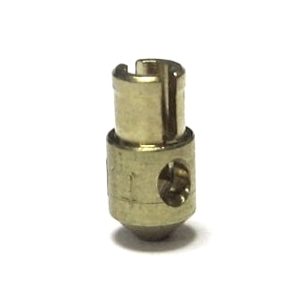
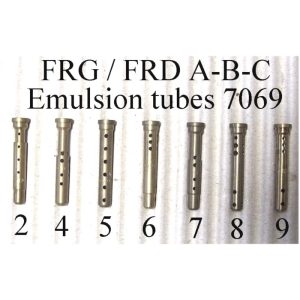
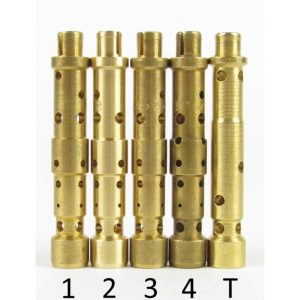
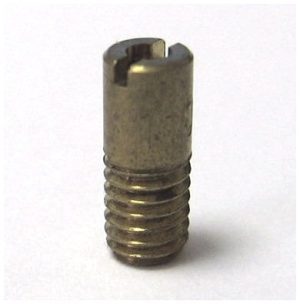
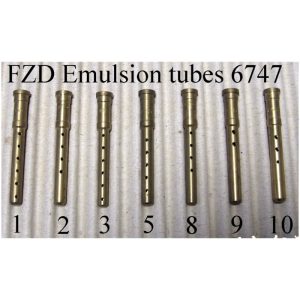
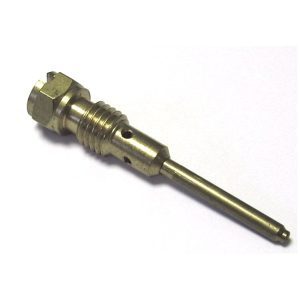
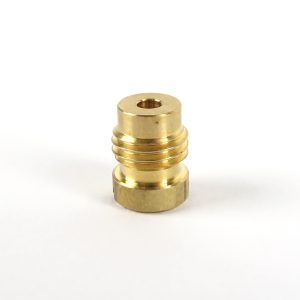
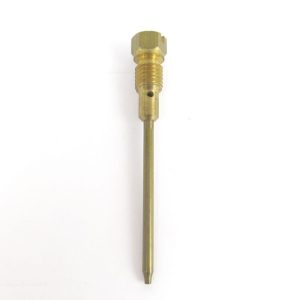
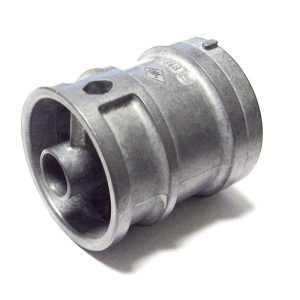
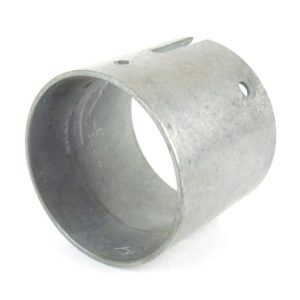
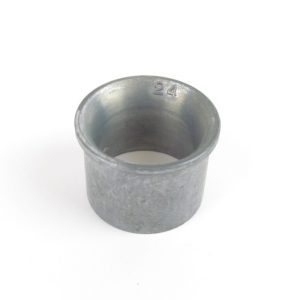
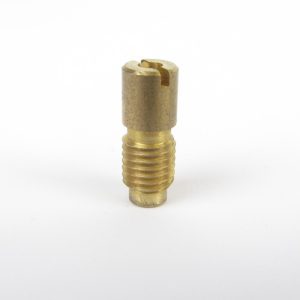
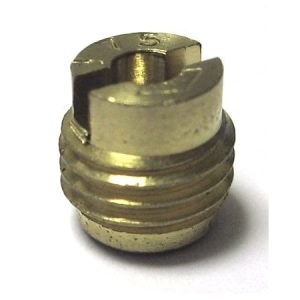
A comprehensive selection is available including main jets, idle jets, air corrector jets, pump jets, choke tubes (venturis), emulsion tubes and idle jet holders for popular Dellorto models such as DHLA, DRLA, DHLB, FRPA etc.
How do I choose the correct jet or choke size for my carburettor?
Identify the exact model and model series of your carburettor; this will be cast and/or stamped on the carburetor body or stamped on an aluminium identification tag held down by one of the carburettor screws (these often get lost in time).
Once you have identified your carburettor, try and obtain the original, correct Dellorto factory specification for your exact model which will provide you with the original calibration, jet and choke sizes and also the part numbers of each component; this will help you order the correct parts. If you need help with this, feel free to contact us.
The ideal jet and choke size depends on your engine’s displacement, modifications and intended use.
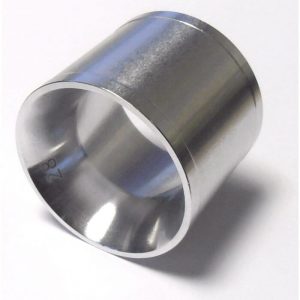
Choke (venturi) size is particularly important, as it determines airflow and influences power delivery. For example, smaller chokes improve low-end response, while larger chokes favour top-end power. Starting with standard sizes for your carburettor and engine, then fine-tuning based on performance and spark plug readings, is a common approach.
Rolling road tuning or open road testing can be useful for refining your carburettors calibration.
What does each jet do in a Dellorto carburettor?
• Main jets control fuel delivery at mid to high throttle.
• Idle jets manage fuelling at low speeds, idle and transition between idle and main circuits.
• Air corrector jets fine-tune the mixture at higher RPMs.
• Pump jets deliver extra fuel during rapid throttle openings for smooth acceleration.
• Pump rod geometry affects fuel volume deliver through the pump jets (to be considered when calibrating these carburettors).
How can I tell if my jets or chokes need changing?
Symptoms like bogging, hesitation or running too rich or too lean may indicate a need to adjust jet or choke sizes. Engine modifications or changes in fuel type and altitude can sometimes require recalibration.
Are Dellorto jets and chokes easy to replace?
Yes, Dellorto carburettors are designed for straightforward maintenance. Most jets and chokes can be accessed and swapped with basic tools, making tuning and servicing convenient.
Why is my engine only running well with the choke on?
This usually means the mixture is too lean, possibly due to undersized jets or air leaks. Try increasing the size of the idle or main jets, and check for any intake vacuum air leaks around the intake manifold, associated vacuum hoses and ceiling gaskets.
Do I need to re-jet for altitude or after engine modifications?
Possibly. Changes in altitude, exhaust, camshafts, or other engine modifications can require different jet sizes and possibly choke tube adjustments to maintain the correct air-fuel ratio and optimal performance.