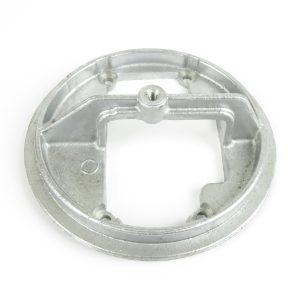
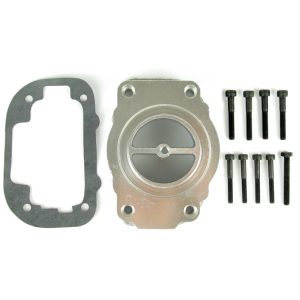
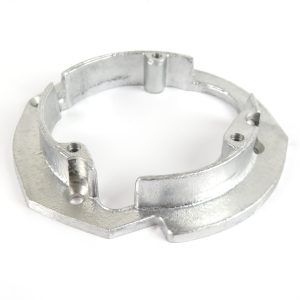
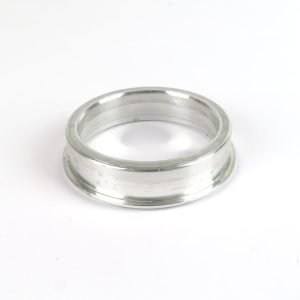
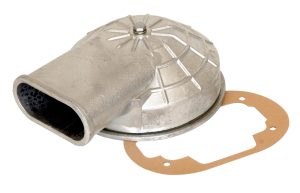
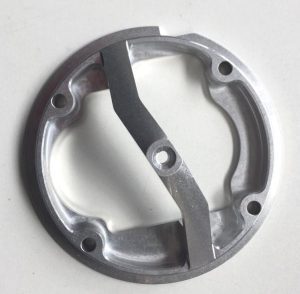
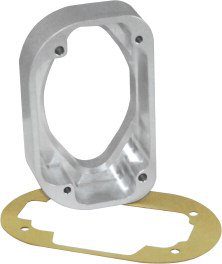
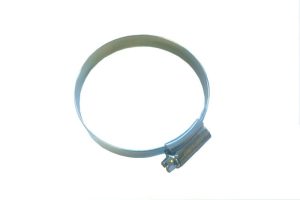
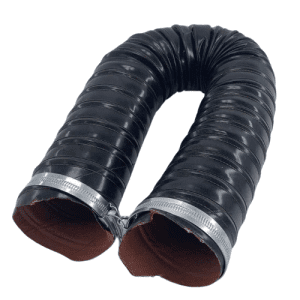
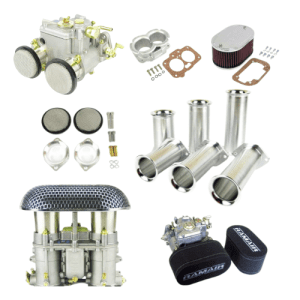
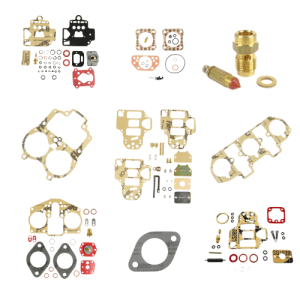
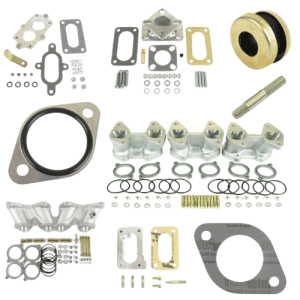
Air filter adapters come in various designs to accommodate different carburetor types, such as Weber, Dellorto, Solex, Pierburg, SU etc. They can be made from materials like aluminium, stainless steel, or high-quality plastics, ensuring durability and proper fitment.
The primary functions of carb air filter adapters include:
- Facilitating the use of performance air filters
- Improving airflow to the engine
- Allowing for custom air intake setups
- Enabling the use of larger air filters for increased filtration
- Facilitating the retention of original (OEM) air filters or air boxes on replacement or aftermarket carburettors.
When selecting an air filter adapter, it’s crucial to consider factors such as the carburettor make and model, available space in the engine bay, and desired performance, or efficiency gains.
Some adapters are designed for specific applications, while others offer universal fitment options. Proper installation of air filter adapters is essential to maintain optimal engine performance and prevent unfiltered air from entering the engine.
It’s important to ensure a secure and leak-free connection between the adapter, carburetor, and air filter.
Types of Carb Air Filter Adaptor
Carb air filter adaptors come in various types to accommodate different carburettor configurations and engine setups.
- Bolt-on adaptors: these attach directly to the carburetor top face and are available for single, twin or multiple carburettor setups. Brands like K&N, Ramair, Redline, Lynx, Pipercross, ITG offer bolt-on adaptors for specific carburettor models.
- Clamp-on adaptors: designed for carburetors with protruding necks, these adaptors use a clamping mechanism to secure the air filter onto the neck of the carburettor.
- Universal adaptors: these can be customised to fit various carburetor types by cutting the baseplate to match the bolt pattern. Also known as ‘blank’ backplates, or ‘DIY cut your own’ backplates.
- Plenum adaptors: designed to fit specific carburettor flanges, such as those for 4-barrel carbs or Weber DGV carburetors.
- Marine-style vent hose adaptors: these mount between the top and bottom plates of custom chrome air filter assemblies, accommodating breather hoses without drilling into the filter base.
- Carburetor-specific adaptors: manufactured for particular carburetor models like WEBER DCOE, SU HD8, SOLEX Pii, Pierburg 2E2 etc.
- Spacer adaptors: available in various heights, these raise the air filter to provide clearance for fuel lines, linkages or electric
Benefits of Using an Adapter
- Improved compatibility: adapters connect aftermarket air filters to carburetors when there is no original equipment match. With these adapters, car fans can replace their air filters instead of getting new carburetors or risk injection of dirt and foreign objects into the engine due to inadequate air filtration.
- Enhanced airflow: many adapters are designed to optimise airflow into the carburetor, potentially improving engine performance. By allowing for the installation of larger or more efficient air filters, adapters can increase the amount of air reaching the engine.
- Customisation options: adapters let you pick between different air filter models and sizes so you can customise performance while working with limited engine bay space.
- Better filtration: high-quality aftermarket filters used with adapters often offer superior filtration compared to stock air boxes, protecting the engine from harmful particles while maintaining airflow.
- Reusability: many aftermarket filters used with adapters are washable and reusable, reducing long-term costs and environmental impact compared to disposable stock filters.
- Potential performance gains: when properly matched with the right air filter and carburetor setup, adapters can contribute to improved horsepower, torque, and fuel efficiency.
- Simplified maintenance: some adapters make it easier to access and service the air filter, streamlining routine maintenance tasks.
Choosing The Right Adaptor for Your Carburettor
Choosing the right adaptor for your carburetor is crucial for correct fitment and optimal performance.
- Carburetor type: identify your carburetor make andmodel, as adaptors are most often designed for specific carburettor make and model.
- Mounting pattern: determine how your new adapter will bolt/slide onto your carburettor top surface.
- Air filter type: consider whetheryou’re using a bolt-on, clamp-on, or custom air filter, as this influences adaptor selection.
- Available space: measure the clearance in your engine bay to accommodate theadaptor and air filter assembly.
- Performance goals: choose an adaptor thatsupports your desired airflow and filtration needs (off-road type vehicle, or racing application, or fast road use).
- Material: adaptors comein various materials like aluminium or plastic, affecting durability and weight.
- Additional features: someadaptors include provisions for breather hoses or cold air intakes.
- Carburettor size: match the adaptor toyour carburetor’s CFM rating or inside bore venturi size, so as to avoid inhibiting or restricting airflow potential in through the carburettor and engine.
- Easeof maintenance: consider how the adaptor affects access for carburetor adjustments and servicing.
By carefully evaluating these factors, you can select an adaptor that ensures proper fitment, maintains optimal airflow and supports your engine’s performance goals.
Performance Considerations
Performance considerations for carb air filter adapters are crucial for optimising engine efficiency and power output. The choice of adapter can significantly impact airflow, which directly affects engine performance. Adapters that allow for larger air filters generally increase airflow, potentially improving horsepower and torque. However, this increased airflow may require carburettor recalibration to maintain the optimal fuel-air mixture.
Without proper tuning, excessive airflow can lead to a lean fuel/air ratio condition, potentially causing engine damage, loss of power and poor acceleration.
The design of the adapter also plays a role in performance. Some adapters, like K&N’s Flow Control System, are engineered to provide smooth, laminar airflow into the carburetor, which can result in impressive power gains. However, spacers or adapters that increase the distance between the carburettor and intake manifold may negatively affect low-end torque due to increased air volume and mass.
It’s important to note that performance gains from air filter adapters can vary depending on the specific engine configuration. In some cases, especially with highly tuned engines, aftermarket adapters may not provide significant improvements over stock setups.
Ultimately, the key to maximising performance with air filter adapters is ensuring proper sizing, fitment, and fine-tuning the carburettor to match the changed airflow characteristics (If applicable).
Maintenance Tips
Maintaining carb air filter adapters is essential for ensuring optimal engine performance and longevity.
- Regular Cleaning: depending on the environment, clean your air filter every 10,000 to 30,000 miles. If you drive in dusty conditions, more frequent cleaning may be necessary. Use a proper cleaning kit designed for your filter type.
- Inspection: regularly inspect the filter for signs of damage, such as tears or large dirt build-up. A damaged filter should be replaced to prevent debris from entering the
- Proper Drying: after cleaning, allow the filter to dry completely before reinstallation. Avoid using high-heat sources like hair dryers, as they can damage the filter material. Instead, let it air dry or use low-pressure compressed air.
- Re-Oiling: If you have an oiled filter, apply the appropriate oil evenly after cleaning it and ensure it is not over-saturated. Follow manufacturer guidelines for oil application to maintain filtration efficiency without clogging.
- Secure Installation: ensure that the adapter and filter are securely fastened to the carburettor and with each other to prevent wear and noise from vibrations, and air leaks, which can lead to engine wear and possibly performance issues.
- Monitor Performance: pay attention to any changes in engine performance, such as reduced power or increased fuel consumption, which may indicate that maintenance is needed sooner than Clogged air filter will richen the air/fuel mixture, and at the same time restrict airflow into the carburettor, which will lead to poor performance and awful fuel consumption. It will also lead to ‘bore-wash’ which wears the engine sooner.