We are attending the NEC Classic Motor Show, Thursday 6th and Friday the 7th November. Any orders received during these 2 days will be processed on Monday 10th November. Thank you for your understanding. ●
Jets, Chokes & Calibrated Parts
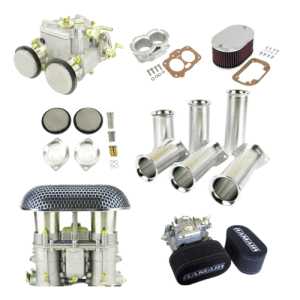
Tune your carburetor for efficiency and performace with our high quality carburettor jets, needles, chokes, floats and tubes. We can supply you with the parts you need to repair or restore your carburettor’s original calibration specification or supply you with the parts to recalibrate your carburetors for custom applications.
The flow of air and fuel into the engine requires carburetor jets to function as regulating components, therefore the precision of these parts needs to be extremely accurate. Carburetor jets directly impact the air-fuel mixture received into the engine’s cylinders. They essentially regulate the fuel and air mixture and flow at any given engine load and throttle position. Jetting properly leads to the best possible power output, together with maximum efficiency and smoothness during the engine’s operation.
Our Range of Calibrated Parts
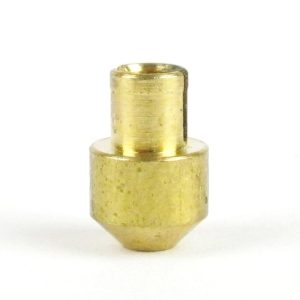
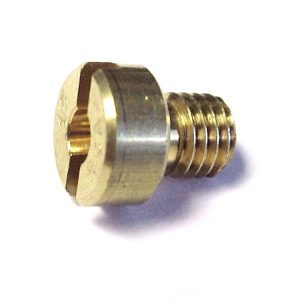
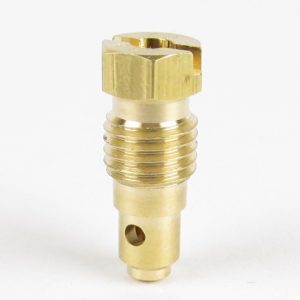
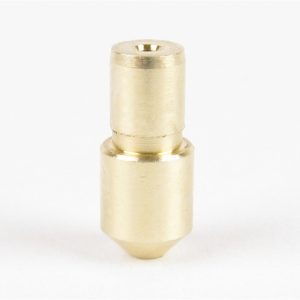
Our calibration range features a wide variety of parts designed for various classic car carburettors:
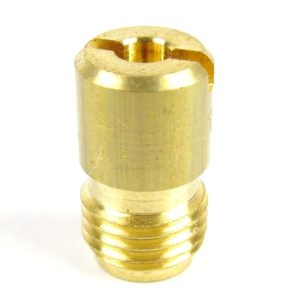
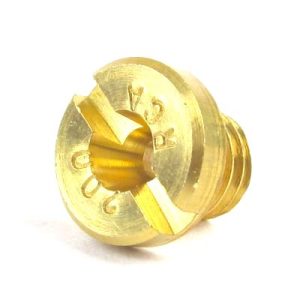
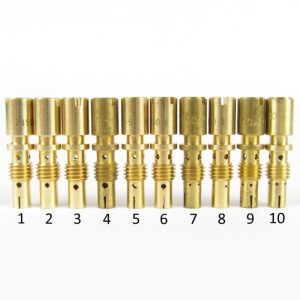
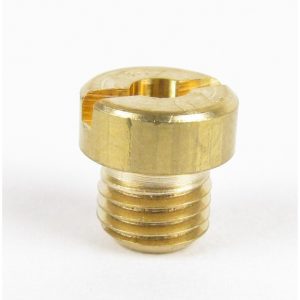
Main Jets: control the full throttle air and fuel ratio.
Idle Jets: ensure smooth idling, low-speed operation and progression phase.
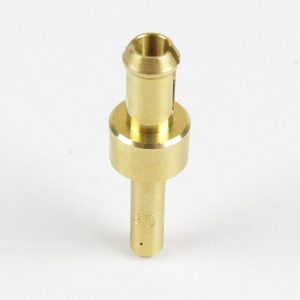
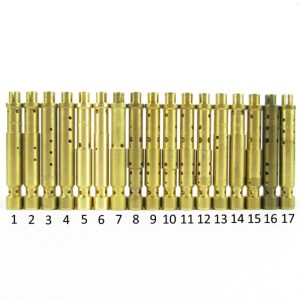
Air Corrector Jets: adjust the air-fuel ratio at higher RPMs (full throttle main circuit).
Pump Jets: deliver additional fuel during rapid throttle opening.
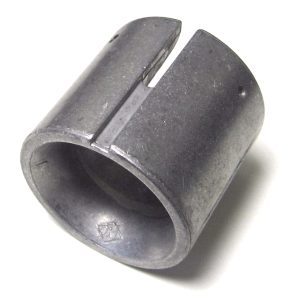
Chokes: restrict air flow and create negative vacuum that draws fuel out of the jets.
Floats: the weight of a float affects the fuel level in the carburettor’s fuel bowl
Needles: needles are tapered. The more a needle is retracted from its jet, the more fuel it allows to pass.
Needle valves: these regulate the incoming flow and volume of fuel in the carburettor chamber.
Each calibrated part is available in various sizes to suit specific engine requirements.
Benefits of Proper Calibration
Accurate calibration enhances vehicle performance. A properly calibrated carburettor offers improved engine efficiency and greater power production, combined with streamlined throttle response. Accurate jet calibration amounts to better fuel economy which simultaneously reduces costs and pollution from emissions.
How to Select the Right Calibrated Parts
A number of criteria determine the appropriate calibrated part and size selection. Most often this involves idle jets, main jets, air corrector jets, needles – sometimes it will also involve chokes, needle valves and pump jets.
Start with confirming the precise identity of your carburettor (make, model, barrel size and serial number); this information will either be stamped on an ID tag on your carburettor or stamped somewhere around the float chamber of mounting flanges.
Once you are confident you have established your carburettor’s identity, you can now proceed to source the carburettor’s manufacturer handbook or workshop manual.
Once you have found the correct handbook or workshop manual, it will hopefully provide you with an exploded drawing of your carburettor, its part numbers, its calibration (jets/chokes/needles sizes etc) and possibly also offer some guidance for setting and basic tuning the carburettor for first engine start.
This will also help you establish the correct part numbers for the jets, chokes, needs etc and help you order these parts from our website.
If you have no success sourcing the original specifications for your carburettor or have trouble identifying it, send us a few good photos using our Contact Form here and we will try to help you. We keep a lot of original specification manuals, so hopefully we can supply you with the calibration you require as well as the parts.
Custom calibration applications, e.g. a pair of WEBER Twin 40 DCOE carburettors on a 1600cc Japanese 4-cylinder engine or a Weber 32/36 DGV 2-barrel carburettor on a 2000cc MK2 Ford Transit van requires a bit of guess work and the use of some of our calibration charts we have in our workshop. This will start you on the right track to drive and test the car/van. Thereafter, you can refine as you go. Jet packs are good for this.
FAQs
How do I know if my carburetor jets need replacing?
As a general rule, jets do not wear, unless they include moving parts such as the needle valve assembly or the needle and jet assembly (SU carburettors). As these include moving parts, they can wear over time, and should be replaced.
Static jets like idle, main, pump etc. which do not include moving parts, such as idle and main jets on weber DGAV carburettors, do not wear.
However, carburettor jets need replacing if they are damaged or you suspect them being the wrong size or type. To establish whether they are accurate, check the size of the jet (stamped somewhere on the jet) against your carburettor’s original specifications manual. Jet size gauges are available here or here.
Poor engine performance that you believe is due to the carburettor, such as spluttering or bogging at low speeds or during acceleration, means the carburettor needs looking at which could involve jet replacement.
How does proper jet calibration impact overall engine reliability
The reliability of your overall engine depends heavily on correct jet calibration because it ensures the appropriate air-fuel ratios needed for smooth and efficient operation. The correct calibration of jets enables precise fuel delivery which decreases engine misfires, while avoiding overheating conditions and wearing of essential parts.
Through precise calibration, engines experience reduced strain and their life expectancy increases, while their operational performance under different situations improves. The correct calibration leads to improved fuel economy and lower emission levels, creating a better operation and ensuring maximum reliability in the long term.
Can I install new carburetor jets myself?
It depends on your mechanical ability and experience. Generally speaking, a comptet home DIY mechanic will comfortably be able to replace their carburettor’s jets.
Replacing needle valves, and needle and jet assemblies (the moving parts) might require a bit more expertise.
If you feel unsure about the process, you should consult the detailed workshop manuals for help or contact us here.
Do you offer advice on jet sizing?
Absolutely! We offer personalised recommendations based on your carburettor and vehicle specifications. Please contact us here and we will get back to you as soon as possible.